Travelling with a dog or cat between the UK and France or the EU doesn’t have to be complicated. Most difficulties don’t come from the journey itself, but from misunderstandings around paperwork, timing, and small procedural details.
Eurotunnel (LeShuttle) is often preferred by pet owners because it allows animals to remain in the same vehicle as their owner throughout the crossing. For many pets, this continuity makes the experience calmer and more predictable than alternatives that involve separation or multiple handling stages.
This guide is designed to be practical and easy to follow. It explains what you need to prepare, what happens at the terminal, and how to reduce stress for your pet, without legal jargon or unnecessary detail.
Important note: pet travel rules can change. Always verify current requirements on official Eurotunnel (LeShuttle) and government pages before travelling.
Eurotunnel keeps the journey simple for animals. Pets stay in familiar surroundings, remain close to their owners, and avoid crowded passenger areas. The crossing itself is short, and the pet check-in process is structured and predictable.
For anxious animals, older pets, or those unused to busy environments, staying inside the car can make a noticeable difference to how the journey feels.
Pet travel requirements depend on the direction you are travelling, and this is where many owners get caught out.
When travelling from the UK to France or another EU country, the EU treats Great Britain as a non-EU country. This usually means your pet must travel with an Animal Health Certificate issued in the UK, unless it already holds a valid EU pet passport. Rabies vaccination and microchip details must be correct and clearly recorded.
When travelling from France or the EU into the UK, the UK rules apply. These are similar in principle but include one critical extra step for dogs: tapeworm treatment within a specific time window before entry. Cats do not require this treatment.
Understanding which rules apply, and when, is essential, as the checks are carried out before you board.
Although details can vary, most pet travel through Eurotunnel is built around the same core requirements.
Your pet must be microchipped. The microchip number is scanned at the terminal and must match the number recorded in the travel document exactly. Even a small mismatch can result in refusal to travel.
Rabies vaccination must be valid on the day of travel. If the vaccination is new or has lapsed and been restarted, a waiting period may apply before travel is allowed. This depends on the situation and should always be checked with your vet and official guidance.
Your pet must also carry the correct travel document for the journey. This may be an EU pet passport, an Animal Health Certificate, or another officially recognised certificate, depending on where the document was issued and which direction you are travelling.
If you are entering Great Britain with a dog, a vet must administer tapeworm treatment and record it correctly in the travel document. This must be done within a defined time window before arrival. Errors with timing or documentation are one of the most common reasons dogs are refused entry.
At the terminal, you will be directed to Pet Reception, usually signposted clearly. This is where all pet checks take place.
At Pet Reception, staff scan your pet’s microchip and review the travel document. If you are entering the UK with a dog, the recorded tapeworm treatment is checked carefully. This process is usually straightforward, provided everything is in order.
Once cleared, you return to your vehicle and proceed through standard Eurotunnel boarding. Your pet remains in the car throughout the crossing, so it helps to keep them settled and comfortable.
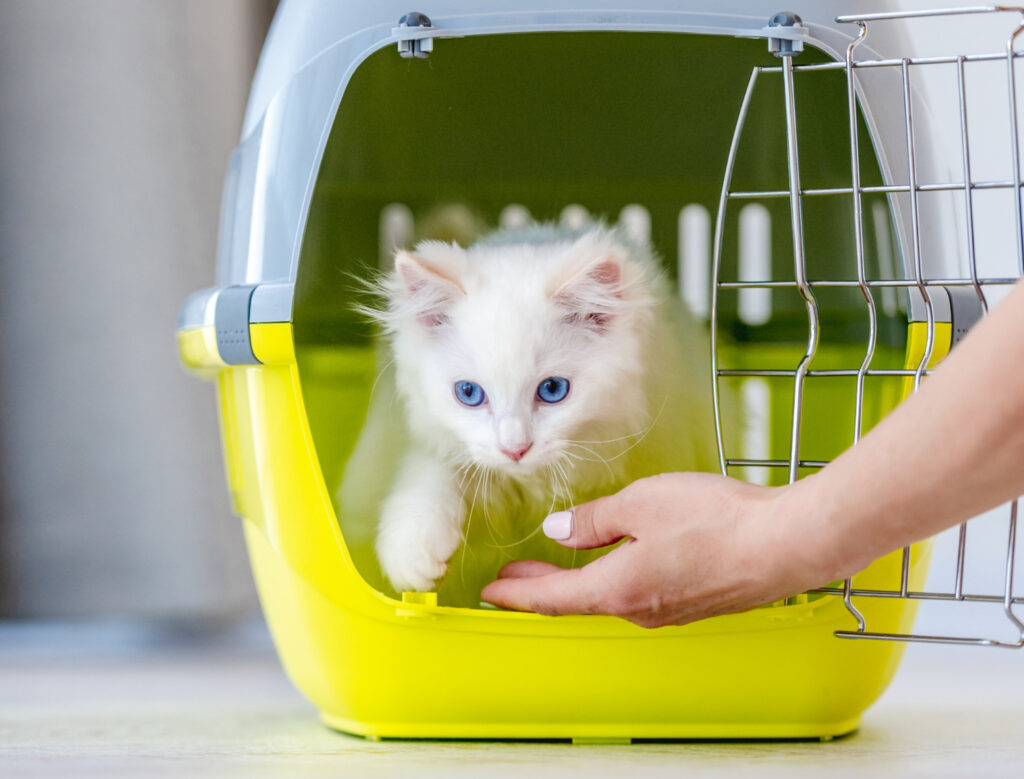
A calm journey starts with preparation. Pets should always be secured safely in the vehicle, either with a harness or in a stable travel crate. Keeping noise levels low and maintaining a comfortable temperature can make a big difference.
Hydration is important, but large meals just before travel are best avoided. Watch for signs of motion sickness such as drooling, yawning, restlessness, or vomiting. If this has been an issue before, discuss it with your vet well in advance of travel.
Familiar items like a blanket or bedding can provide reassurance, especially for nervous pets.
Many travel refusals come down to small details. The most frequent issues include incorrect tapeworm timing for dogs entering the UK, microchip numbers that do not match documents, rabies vaccinations that are not valid on the travel date, or arriving too late for pet check-in.
Another common mistake is assuming the rules are identical in both travel directions. They are not.
Pet travel via Eurotunnel is usually straightforward when the preparation is done properly. The crossing itself is rarely the problem, documentation errors and timing mistakes are.
Save this guide, double-check official requirements before you travel, and plan your vet visits carefully. A well-prepared owner helps create a calmer, safer journey for their pet.